
Texas License Plate is the official plate issued to registered vehicles in Texas. It identifies a vehicle, supports legal registration, and helps connect drivers with many state services. A valid license plate is required for most vehicles operated on Texas public roads. Drivers often search license plate information before buying a used vehicle, checking registration status, or finding plate-related services. This page brings together trusted information about Texas license plates, lookup options, registration, and different plate categories. It serves as a starting point for users looking for accurate vehicle plate information in one place.
Texas License Plate services cover much more than vehicle identification. Many drivers need information about license plate lookup, registration renewal, replacement, transfers, temporary plates, specialty plates, and state requirements during vehicle ownership. This page provides a clear starting point for those topics and connects users with dedicated pages that cover each service in greater detail. Visitors can move from general license plate information to specific topics based on their needs. The goal is to make Texas license plate information easy to find, simple to read, and useful for everyday vehicle-related tasks.

Texas License Plate Lookup
Texas License Plate Lookup allows users to search a Texas license plate number through the lookup tool available on this website. The search is intended to help users review available vehicle-related information linked to a plate number while respecting applicable privacy laws. Enter a valid Texas license plate number in the search box below to begin. Depending on the available records, the lookup may return registration-related details, plate information, and a basic vehicle summary. Personal owner information is not included in public search results.
Search a Texas License Plate
Search Field
| Field | Description |
|---|---|
| Plate Number | Enter a valid Texas license plate number (Example: ABC1234). |
Search Results May Include
| Information | Description |
|---|---|
| Plate Status | Shows whether the license plate is active, expired, inactive, or another available status. |
| Registration Status | Displays the current registration status associated with the plate. |
| Plate Type | Identifies the plate category, such as standard, specialty, commercial, temporary, or personalized. |
| County | Displays the issuing county when available in the search results. |
| Registration Expiration | Shows the registration expiration information when available. |
| Vehicle Summary | May include basic vehicle details such as the model year, make, model, and body style. |
How to Get a Texas License Plate
A Texas license plate is issued after a vehicle is registered through the Texas registration system. Most first-time license plates are obtained by completing the registration process at the local County Tax Assessor-Collector Office. The process varies depending on whether the vehicle is newly purchased, previously owned, or brought into Texas from another state. This section provides a general outline of how drivers receive a Texas license plate, while detailed registration requirements are covered on dedicated pages across this website.
Who Needs a Texas License Plate?
- First-time Texas vehicle owners
- New Texas residents
- Buyers of used vehicles
- Commercial vehicle owners
- Drivers applying for specialty or personalized plates
Basic Eligibility
Applicants generally need to:
- Own or legally possess the vehicle
- Meet Texas registration requirements
- Carry valid Texas liability insurance
- Pay the applicable registration fees
Where to Get a Texas License Plate
Most first-time Texas license plates are issued through the County Tax Assessor-Collector Office. These offices process vehicle registration, title transfers, and license plate issuance on behalf of the Texas Department of Motor Vehicles.
Find Your Local Office: https://www.txdmv.gov/tax-assessor-collectors/county-tax-offices
How the Process Works
- Gather the required registration documents.
- Visit the local County Tax Assessor-Collector Office.
- Submit the registration application.
- Pay the required fees.
- Receive the Texas license plate after the application is approved.
Processing Time
Many standard applications are completed during the office visit, while specialty or custom plates may require extra processing time before they are issued.
Texas License Plate Types
Texas offers several types of license plates to match different vehicle registrations and driving needs. From standard passenger plates to military, commercial, and specialty designs, each plate serves a specific purpose and follows its own eligibility requirements. The sections below introduce the most common Texas license plate types and provide official resources where available.
Personalized License Plates
Personalized license plates allow eligible vehicle owners to choose a custom combination of letters and numbers while maintaining a valid Texas registration.
Specialty License Plates
Texas offers hundreds of specialty license plates representing universities, charities, sports teams, military organizations, and other approved causes.
Commercial License Plates
Commercial license plates are issued to vehicles primarily used for business or commercial operations based on registration requirements.
Military License Plates
Military license plates recognize active-duty service members, veterans, retired military personnel, and other eligible applicants.
Temporary License Plates
Temporary license plates provide short-term vehicle identification until permanent registration or approved vehicle transactions are completed.
Digital License Plates
Digital license plates use an electronic display instead of a traditional metal plate. Eligible Texas vehicle owners can choose this modern option where approved.
Disabled License Plates
Disabled license plates are available for eligible drivers and passengers with qualifying disabilities after submitting the required application and supporting documentation.
Antique & Classic License Plates
Antique and classic license plates are available for qualifying historic vehicles that meet Texas registration requirements based on vehicle age and intended use.
Black License Plates
Black license plates are a popular specialty option for drivers seeking a distinctive appearance through the official Texas specialty plate program.
Personalized License Plates
Personalized license plates allow eligible vehicle owners to choose a custom combination of letters and numbers, subject to availability and approval. These plates let drivers personalize their vehicles while maintaining a valid Texas registration.
Specialty License Plates
Texas offers hundreds of specialty license plates representing universities, charities, sports teams, military organizations, and other approved causes. Many specialty plates help support charitable organizations or state programs through additional fees.
Commercial License Plates
Commercial license plates are issued to vehicles primarily used for business or commercial operations. The registration requirements depend on the vehicle’s weight, purpose, and commercial classification.
Military License Plates
Military license plates honor active-duty service members, veterans, retired military personnel, and eligible family members. Texas offers many military plate designs recognizing different branches of service, campaigns, and military awards.
Temporary License Plates
Temporary license plates provide short-term vehicle identification until permanent registration is completed or for other approved vehicle transactions. Their validity depends on the type of temporary permit issued.
Digital License Plates
Digital license plates use an electronic display instead of a traditional metal plate. Eligible vehicle owners can choose this modern option where approved under Texas registration requirements.
Disabled License Plates
Disabled license plates are available for eligible drivers and passengers with qualifying disabilities. Applicants must complete the required application form and provide any supporting medical certification required by Texas law.
Antique & Classic License Plates
Antique and classic license plates are available for qualifying historic vehicles that meet Texas registration requirements. The type of plate issued depends on the vehicle’s age and intended use.
Black License Plates
Black license plates are a popular specialty option for drivers looking for a distinctive appearance. Eligible vehicle owners can order approved black plate designs through the official Texas specialty plate program.
Texas License Plate Fees
Texas license plate fees depend on the type of registration service and the license plate selected. Standard registration has a state base fee, while personalized, specialty, replacement, and other plate services may require additional charges. The table below provides a general fee summary, and actual costs may vary by county and vehicle type.
The fees above are general state charges. The total amount may increase based on county fees, vehicle type, local registration charges, and the selected license plate.
Texas License Plate Services
Texas license plate services help vehicle owners manage registration, license plates, and related vehicle records throughout the ownership period. Whether a driver needs to renew registration, replace a damaged plate, transfer an existing plate, obtain a registration sticker, or use toll road services, Texas offers separate solutions for each need. The sections below introduce the most commonly used services available to vehicle owners across the state.
Registration Renewal
Vehicle registration renewal allows drivers to keep their vehicles legally registered for use on Texas roads. Most passenger vehicles require registration renewal every year before the expiration date shown on the registration sticker. Completing the renewal on time helps maintain valid registration and reduces the risk of penalties or registration-related issues. Drivers can review their registration status before beginning the renewal process to confirm eligibility and required information.
Registration renewal services include:
- Annual registration renewal
- Registration status verification
- Renewal notice processing
- Updated registration sticker issuance
Toll Tags
Texas toll tags provide a convenient way to travel through participating toll roads without stopping to make cash payments. The electronic toll system records each trip automatically and charges the linked customer account. Many drivers use toll tags for daily commuting, business travel, and regular highway use across different parts of Texas. The service helps simplify toll payments and reduces delays at toll collection points.
Toll tag benefits include:
- Faster travel through toll roads
- Automatic electronic payments
- Easy account management
- Use on participating Texas toll facilities

Plate Replacement
A license plate may need to be replaced if it becomes lost, stolen, damaged, faded, or difficult to read. Since Texas requires license plates to remain clearly visible, replacing an unreadable plate helps keep the vehicle compliant with state registration requirements. Vehicle owners should request a replacement as soon as a plate can no longer be properly identified. The replacement process may require vehicle information, proof of ownership, and payment of the applicable fee.
Replacement requests are commonly made when:
- A plate is lost or stolen
- The plate becomes faded or unreadable
- The plate is damaged in an accident
- A plate is bent or broken
Plate Transfer
Texas allows eligible license plates to be transferred from one vehicle to another owned by the same person. This service is often used after purchasing another vehicle while keeping an existing standard, specialty, or personalized plate. Transfer eligibility depends on the plate category, vehicle ownership, and current registration status. Reviewing the transfer requirements before applying helps avoid delays during the registration process.
Before requesting a transfer, drivers should verify that:
- The plate is eligible for transfer
- Vehicle ownership requirements are met
- Registration records are current
Registration Sticker
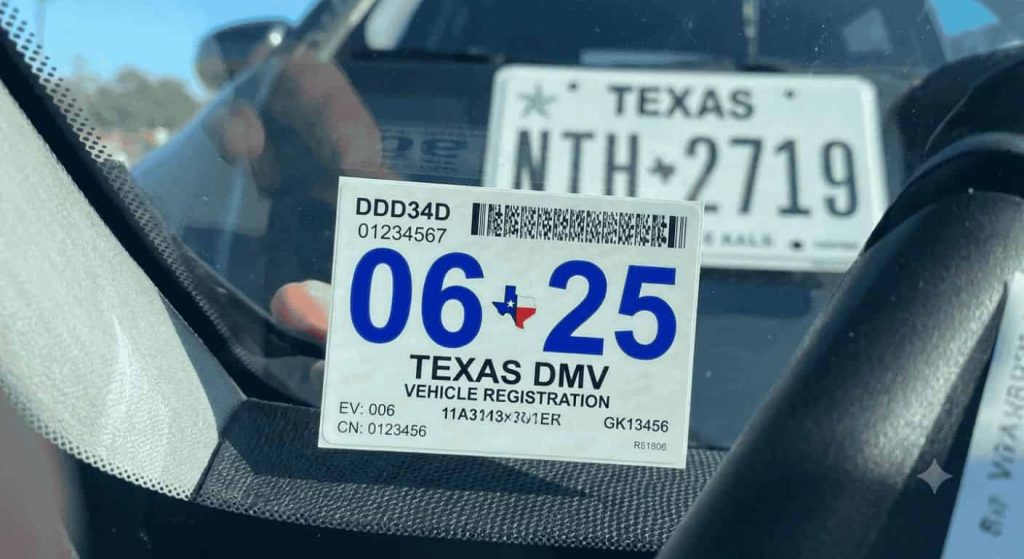
The Texas registration sticker serves as proof that a vehicle has an active registration and displays the current registration expiration date. Every registered vehicle receives a sticker after a successful registration or renewal transaction. Drivers should keep the sticker properly displayed and replace it if it becomes lost, damaged, or unreadable. Maintaining a valid registration sticker helps confirm that the vehicle meets Texas registration requirements.
Drivers may need this service when the sticker is:
- Lost
- Damaged
- Stolen
- Replaced after registration renewal
Texas License Plate Rules
Texas license plate rules help identify registered vehicles and support safe travel on public roads. Every vehicle owner is responsible for displaying license plates correctly, keeping vehicle registration active, and replacing damaged or unreadable plates when necessary. Following these basic requirements helps drivers stay compliant with Texas vehicle registration laws and avoid unnecessary penalties.
Display Requirements
Texas license plates must be securely attached to the vehicle in the manufacturer-designated mounting locations. The plate should remain in a horizontal position and be clearly visible at all times. Vehicle owners should avoid modifying the plate or using frames, covers, or tinted shields that hide the plate number, registration sticker, or the word “Texas.”
To meet the basic display requirements:
- Securely mount the license plate.
- Keep the plate clean and easy to read.
- Do not alter, paint, or trim the plate.
- Avoid plate covers or frames that block any information.
Front and Rear Plate Rules
Most passenger vehicles registered in Texas are required to display two license plates one on the front and one on the rear of the vehicle. Both plates must be issued for the same vehicle and remain securely attached while the vehicle is operated on public roads. Some vehicles, such as certain motorcycles, trailers, and specific vehicle classifications, may follow different plate display requirements based on Texas registration rules. Vehicle owners should always use the plate configuration assigned during registration.
Plate Visibility
Texas license plates should remain fully visible during both daytime and nighttime driving. Dirt, mud, snow, excessive rust, faded paint, bent metal, or decorative accessories should not block any part of the plate number or state name.
Vehicle owners should regularly inspect their plates to make sure:
- Letters and numbers remain readable.
- Registration information is not covered.
- The plate is not bent or damaged.
- Mounting bolts do not cover important characters.
Good plate visibility helps law enforcement, parking authorities, and electronic toll systems correctly identify the vehicle.
Keeping Registration Current
A Texas license plate remains valid only when it is connected to an active vehicle registration. Drivers should renew their registration before the expiration date and display the current registration sticker issued after renewal.
To help maintain an active registration:
- Renew registration before it expires.
- Keep the current registration sticker displayed.
- Maintain the required vehicle insurance.
- Update registration information after ownership or address changes, when applicable.
Keeping registration current helps prevent registration-related issues and keeps vehicle records accurate.
Damaged Plates
License plates that become faded, cracked, bent, broken, peeling, or difficult to read should be replaced as soon as possible. A damaged plate may prevent proper vehicle identification and can create problems during traffic stops, inspections, parking enforcement, or toll road transactions.
Vehicle owners should consider replacing a plate if it:
- Has peeling reflective material.
- Is cracked, bent, or broken.
- Has faded letters or numbers.
- Cannot be read from a reasonable distance.
- Has become worn due to age or weather exposure.
Replacing damaged plates helps maintain clear vehicle identification and supports compliance with Texas registration requirements.
What Information Can a Texas License Plate Show?
A Texas license plate can provide basic vehicle and registration-related information through a license plate lookup, depending on the records available to the search service. Public searches are limited by state and federal privacy laws, so confidential owner information is protected. The information returned is intended to help identify a vehicle, verify registration details, and support lawful vehicle-related searches without revealing sensitive personal records.
Registration Status
A Texas license plate lookup may show the current registration status associated with a vehicle. This information helps users confirm whether the registration is active, expired, inactive, or otherwise unavailable based on the available records. Checking the registration status is useful when purchasing a used vehicle, confirming registration before renewal, or verifying that a vehicle is legally registered for use on Texas roads.
Plate Type
A lookup may identify the type of license plate assigned to the vehicle. Texas issues several plate categories based on vehicle use, ownership, and eligibility requirements. Knowing the plate type helps users understand the vehicle’s registration category and confirms whether the vehicle is using the appropriate plate.
Common Texas license plate types include:
- Standard license plates
- Personalized license plates
- Specialty license plates
- Commercial license plates
- Military license plates
- Temporary license plates
- Disabled license plates
- Antique and classic license plates
Registration Validity
A Texas license plate lookup may indicate whether the vehicle registration is currently valid and, when available, display the registration expiration period. This information is useful for vehicle owners who want to confirm their registration remains current and for buyers verifying a vehicle before completing a purchase. Registration validity helps determine whether the vehicle is legally authorized for operation on public roads.
Vehicle Basics
Depending on the available records, a Texas license plate lookup may return basic information about the vehicle connected to the plate number. These details help identify the vehicle without revealing confidential owner information. Basic vehicle information can be helpful when confirming that the license plate matches the correct vehicle.
Vehicle information may include:
- Vehicle year
- Make
- Model
- Body style
- Vehicle class
- Fuel type (when available)
Publicly Available Information
Public license plate searches provide only information that can legally be shared under applicable state and federal laws. The available records focus on vehicle identification and registration details rather than personal ownership information. The exact search results may vary depending on the lookup source and the records available at the time of the search.
Privacy Limitations
Texas and federal privacy laws protect the personal information of registered vehicle owners from public disclosure. A public Texas license plate lookup cannot reveal confidential records such as the owner’s identity or contact information. These privacy protections help safeguard personal data while allowing limited vehicle-related information to remain publicly available.
A public lookup does not display:
- Owner’s name
- Home or mailing address
- Phone number
- Email address
- Driver’s license number
- Social Security number
- Insurance policy information
Latest Texas License Plate Updates
Texas license plate rules and registration services may change as new policies, plate designs, and technology are introduced by the Texas Department of Motor Vehicles (TxDMV). Staying informed about these updates helps vehicle owners follow current registration requirements, explore new license plate options, and complete registration-related services without unnecessary delays.
New Plate Designs
Texas periodically introduces new specialty and commemorative license plate designs while retiring others that no longer meet program requirements. Vehicle owners may also see updated graphics, redesigned layouts, or newly approved specialty plates through the state’s official license plate program. Before selecting a new design, drivers should confirm that the plate is currently available and eligible for their vehicle.
Digital Plate Updates
Digital license plates continue to expand as Texas supports modern vehicle registration technology. Eligible drivers can choose approved digital license plates that provide an electronic display while meeting state registration requirements. As technology develops, new features, compatible vehicle options, and approved providers may become available for Texas motorists.
Recent areas of development include:
- Expanded digital plate availability
- New software features
- Improved account management
- Enhanced registration integration
Registration Changes
TxDMV occasionally updates registration procedures, application requirements, and online services to improve the registration process. These changes may affect registration renewals, title transfers, temporary permits, or required documentation for certain vehicle transactions. Vehicle owners should review the latest registration requirements before submitting an application or renewal request.
TxDMV Announcements
The Texas Department of Motor Vehicles regularly publishes announcements about registration services, license plate programs, policy updates, office operations, and system improvements. These notices help drivers stay informed about important deadlines, service interruptions, newly available plate designs, and other registration-related updates throughout the year.
Drivers should monitor announcements for:
- New license plate releases
- Registration policy updates
- Online service improvements
- Temporary office or system notices
- Changes affecting vehicle registration services
Texas DMV & County Tax Assessor-Collector Offices
Texas vehicle registration and license plate services are provided through County Tax Assessor-Collector Offices located across the state. These offices work with the Texas Department of Motor Vehicles (TxDMV) to process vehicle registrations, issue license plates, complete title transfers, and handle many other vehicle-related services. Since office locations and services vary by county, finding the correct office before visiting can save time and help drivers complete their transactions more efficiently.
Whether applying for a new license plate, renewing a registration, replacing a plate, or transferring a vehicle title, most registration-related services begin at the county office that serves the vehicle owner’s residence. The Office Locator Tool below helps users quickly find the nearest office by searching with a county, city, or ZIP Code.
| Office Name | Address | Phone | Office Hours | Services Available |
|---|---|---|---|---|
| Travis County Tax Office | 2433 Ridgepoint Drive, Austin, TX 78754-5231 | (512) 854-9473 | Mon–Fri: 8:00 AM–5:00 PM | Registration, License Plates, Title Transfers, Registration Renewal |
| Harris County Tax Office | 1001 Preston Street, Houston, TX 77002 | (713) 274-8000 | Mon–Fri: 8:00 AM–4:30 PM | Vehicle Registration, Plate Replacement, Title Services |
| Dallas County Tax Office | 500 Elm Street, Suite 3300, Dallas, TX 75202 | (214) 653-7811 | Mon–Fri: 8:00 AM–4:30 PM | Registration Renewal, License Plates, Title Transfers |
| Tarrant County Tax Office | 100 E. Weatherford Street, Fort Worth, TX 76196 | (817) 884-1100 | Mon–Fri: 8:00 AM–5:00 PM | Vehicle Registration, License Plates, Title Services |
| Bexar County Tax Office | 233 N. Pecos La Trinidad, San Antonio, TX 78207 | (210) 335-2251 | Mon–Fri: 8:00 AM–5:00 PM | Registration, Plate Replacement, Vehicle Title Transfers |
Services Available at County Offices
Most Texas County Tax Assessor-Collector Offices provide a wide range of vehicle registration services. The exact services offered may differ by county, so drivers should confirm availability before visiting an office. Many locations can process both routine registration transactions and more specialized vehicle services.
Common services include:
- Vehicle registration
- Registration renewal
- New Texas license plates
- License plate replacement
- License plate transfer
- Vehicle title transfers
- Temporary permits
- Registration sticker replacement
- Personalized and specialty plate applications
- Registration record updates
Before visiting an office, drivers should verify office hours, required documents, accepted payment methods, and appointment availability. Preparing the necessary paperwork in advance can help complete the transaction more quickly and reduce delays during the visit.
Frequently Asked Questions
Texas license plate services cover vehicle registration, renewals, plate replacement, transfers, and other registration-related requirements. The answers below address some of the most common questions asked by Texas drivers and vehicle owners.
How do I apply for a Texas license plate?
A Texas license plate is issued after a vehicle is successfully registered through the appropriate County Tax Assessor-Collector Office. Most applicants need proof of ownership, valid identification, proof of Texas liability insurance, and any required registration documents before completing the application. Once the registration is approved and the applicable fees are paid, the vehicle receives the appropriate license plate and registration sticker. The exact process may vary depending on whether the vehicle is new, used, or being registered after moving to Texas.
How can I check a Texas license plate?
A Texas license plate can be checked by using a license plate lookup service that displays publicly available vehicle information. Depending on the records available, a search may provide the registration status, plate type, registration validity, county information, and basic vehicle details. Personal owner information is protected by state and federal privacy laws and is not available through public searches. A lookup is commonly used to verify vehicle information before buying a used vehicle or reviewing registration details.
How much does a Texas license plate cost?
The cost of a Texas license plate depends on the registration service and the type of plate selected. Standard passenger vehicle registration includes the issuance of standard license plates, while personalized, specialty, replacement, and certain other plate types require additional fees. The total amount may vary based on county fees, vehicle classification, and the specific registration transaction. Vehicle owners should review the applicable fees before completing their registration.
Can I transfer my Texas license plate to another vehicle?
Yes, eligible Texas license plates can usually be transferred to another vehicle owned by the same person. The transfer is completed during the registration process and is subject to the eligibility requirements for the plate type being used. Standard, personalized, and many specialty plates may qualify for transfer, although certain restrictions may apply. Vehicle owners should verify that both the plate and the new vehicle meet the transfer requirements before submitting the request.
What happens if my Texas vehicle registration expires?
If a Texas vehicle registration expires, the vehicle is no longer considered currently registered until the renewal process is completed. Driving with an expired registration may result in penalties or other registration-related issues under Texas law. Vehicle owners should renew their registration as soon as possible after expiration and complete any additional requirements that apply to their vehicle. Keeping registration current helps maintain accurate vehicle records and supports legal operation on Texas roads.